About
I design curriculum and resources for every learner, and I build them.
For young children through to adults: elementary units, a Grade 10 exam course, the design of a university session, and learning for teachers. AI helps me build what I imagine; the teaching decisions stay mine.
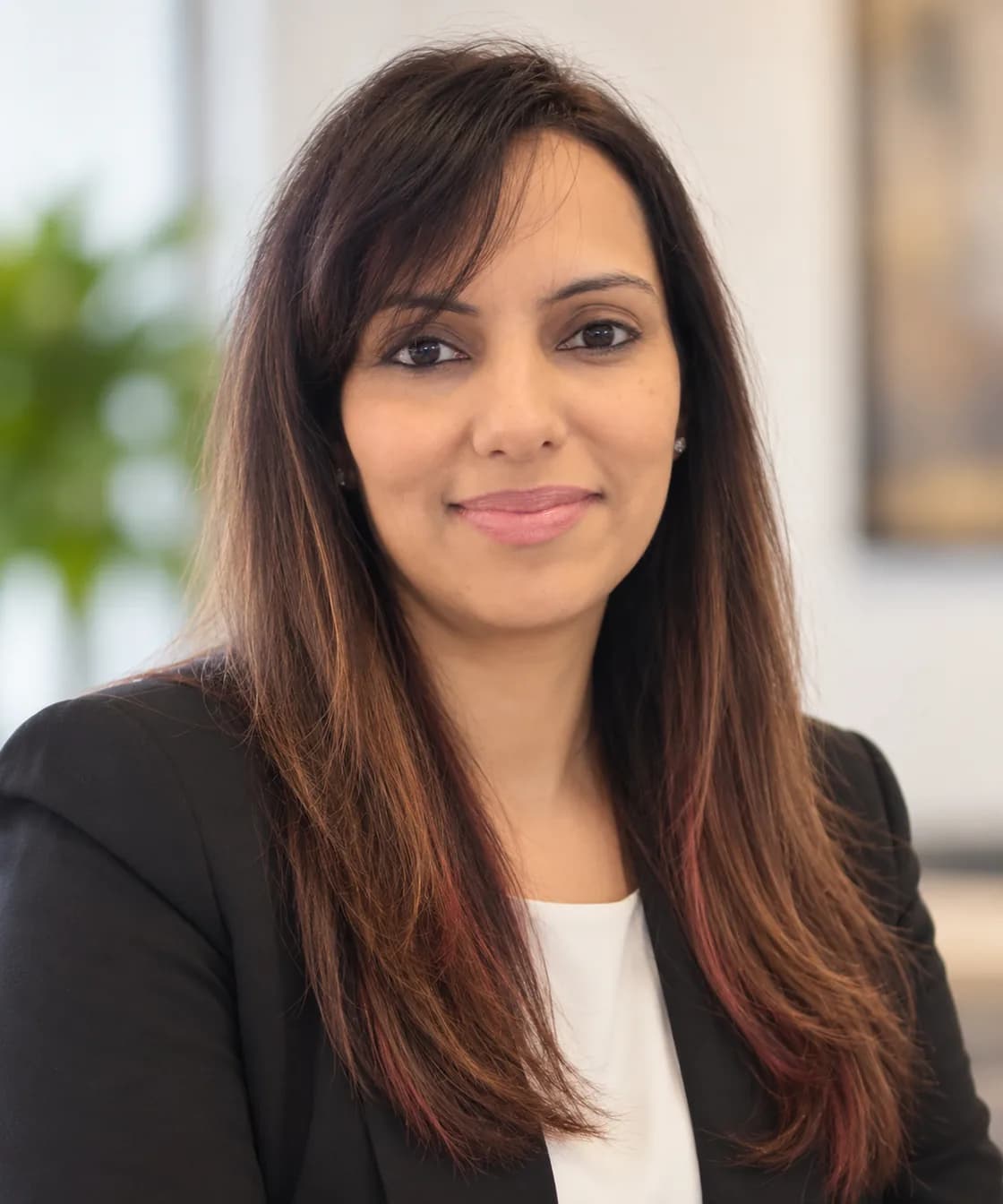
Mamta Motwani — Curriculum & Resource Designer, Ontario.
My story
Where the work starts
My foundation is understanding how people develop knowledge, practise new skills, receive feedback and become increasingly independent. That is the part of the job that does not change, whatever the technology is doing.
I have taught for about 25 years, from Grade 1 to Grade 12, and I design learning for adults and train teachers. I have written units and unit tests across all grades, built a Grade 10 math exam course (MPM2D), designed a Week 1 case session for a second-year university physiology course, and built Master Growing Success, a self-paced course for teachers on Ontario’s assessment policy.
In secondary, I was a high school teacher at Newton International College, where I wrote the lesson plans, unit plans, course overviews and course outlines for my courses; for the college’s elementary sister school in China I created Ontario-curriculum science material. I then held a long-term occasional post at Hodan Nalayeh Secondary School (YRDSB) and taught night school. With adults, I trained teachers in China in March 2024 at the request of Newton International College, ran workshops on assessment, translanguaging and inquiry-based learning for about 50 educators at Hill Spring International School, and trained 100 pre-service teachers at H.J. College of Education. Today I lead a Grade 2 team at an independent school in Ontario, which keeps me close to real learners. I hold an MA in Education, an International Diploma in TESOL, Teaching and Training, and PQP Parts 1 and 2, and I write The Learning Conditions (opens in a new tab), a framework for teachers. The full list of schools is on my résumé.
Every project on this site was built with AI under my direction. I combine that foundation with technology and AI to build curriculum, assessments and resources for every learner, from young children to adults: unit plans and classroom tools, a secondary exam course, and sessions and workshops for adults. I decide what each one has to do, write the curriculum and the assessment inside it, and check the finished work against that decision before anyone uses it. AI-assisted development helps me turn those decisions into working pages. The judgments stay with me: what a learner should be able to do, and whether the work actually does it.
The roles I am looking for: curriculum and instructional design, learning-resource and e-learning design, and teaching or teacher-learning roles, in Ontario or remote. Get in touch.
Teaching and leadership — the classroom work behind the rest. Résumé — qualifications, and about 25 years of it.
Areas of practice
- Curriculum Development
- Units, programmes and courses for every learner, from young children to adults, built backward from what a learner should be able to do at the end.
- Assessment Design
- Instruments that tell the adult something useful about a learner, without ranking them.
- Professional Learning
- Practical sessions for educators, like my workshops at Hill Spring International School on assessment, translanguaging and inquiry-based learning for about 50 educators, and training 100 pre-service teachers at H.J. College of Education.
- Interactive Learning
- Web activities, games, simulations and tools that respond to what the learner does.
- AI-Assisted Development
- Using AI well: to research, draft, prototype and build faster, with every design decision and every quality check kept mine.
The question I keep returning to
How can AI help us create better learning without removing the human judgment that makes learning meaningful?
Every project on this site is an attempt at part of an answer, and each case study says plainly what AI did during the build and what judgment it could not replace. The rule that keeps coming out of it is the same: put a human checkpoint exactly where the work would be easier without one, because that is where the judgment lives.
Tell me what you are trying to make possible.
Curriculum, assessment, teacher learning or a digital learning resource — I would rather hear the problem than the specification.